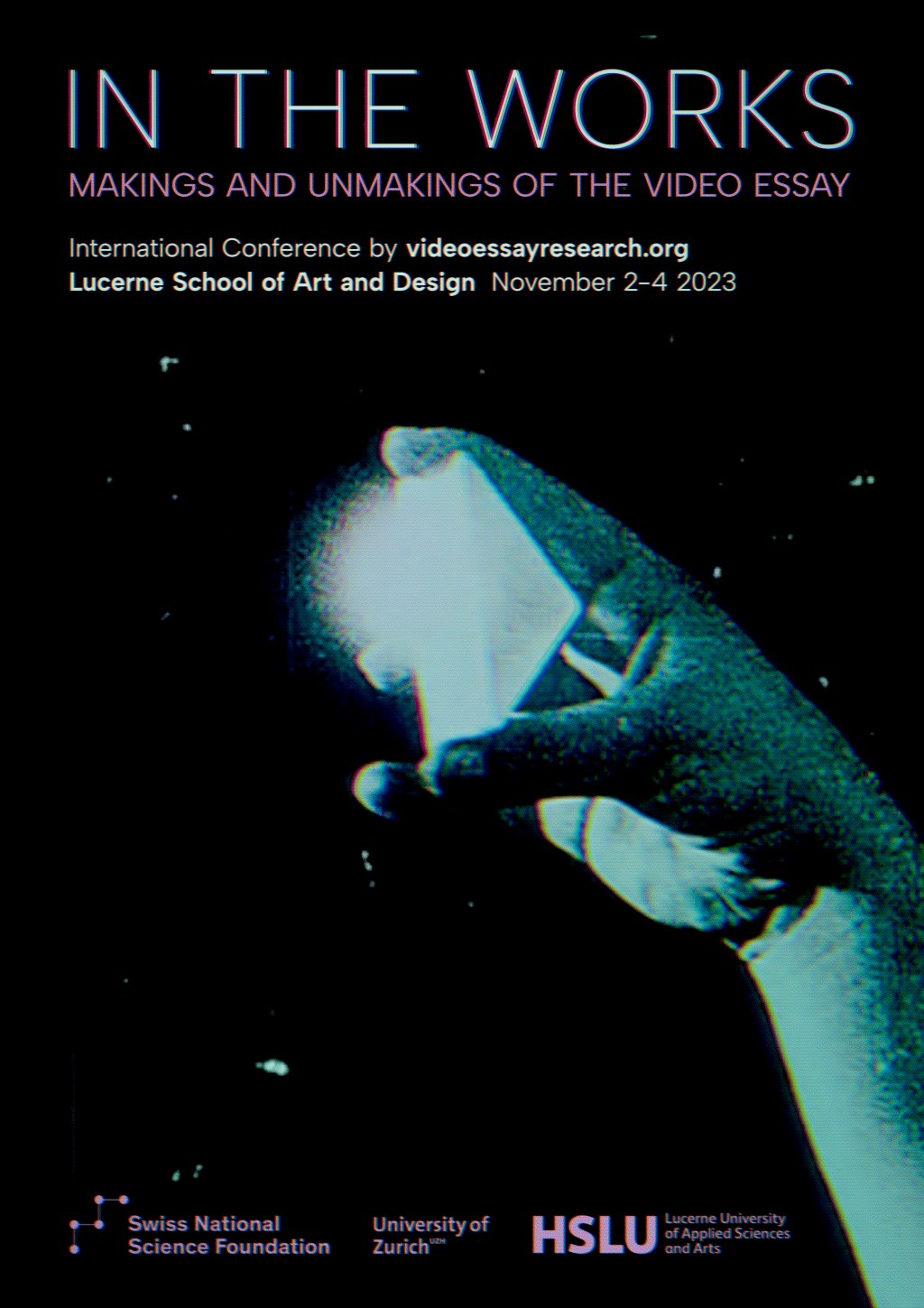
IN THE WORKS. Makings and Unmakings of the Video Essay
International conference at the Lucerne School of Art and Design, Switzerland
November 2-4, 2023
One of the first academic conferences devoted to videographic research was held at the Frankfurt Filmmuseum and Goethe University in Germany in 2013. Titled „The Audiovisual Essay: Practice and Theory,“ the conference emphasized practice in the presentation-based discussions. As the first speaker of the conference, Catherine Grant described the challenges of this then new scholarly format as „unknown, infinite, or variable“ in terms of the experimentation of video production and the reception of this format in academia.
A decade later, as documented in the many interviews led by Will DiGravio for The Video Essay Podcast, the variables have only increased: There seem to be as many methods for making a video essay as there are video essayists. Some start with writing; others begin in the editing software. Some rely entirely on pre-existing footage; others produce original images and sounds, either by recording their screens, with an actual camera and microphone, or using animation techniques. Some work alone, others collaborate. Some essays are made in a couple hours, others take several years to come to fruition. After a video file is exported, some move on to publishing it online, to write a scholarly article about its making, or to send it to festivals and galleries; others keep revisiting their works, updating, restructuring or expanding their former projects into new videographic constellations. Every day video essays are made and unmade in an infinite number of ways.
Steering the discussion about the video essay away from the currently dominant negotiation of its definitions and scholarly affordances, we aim to emphasize the diversity of practices that can be involved in its makings and unmakings. We don’t ask „why“ or „what“, but rather „how“ the video essay is. How does each of us actually work, conceptually as well as practically, with what devices, what tools, following what intuitions? How do we formulate and address the specific challenges that each new projects brings? How do we keep expanding our understanding of how video essays can be made?
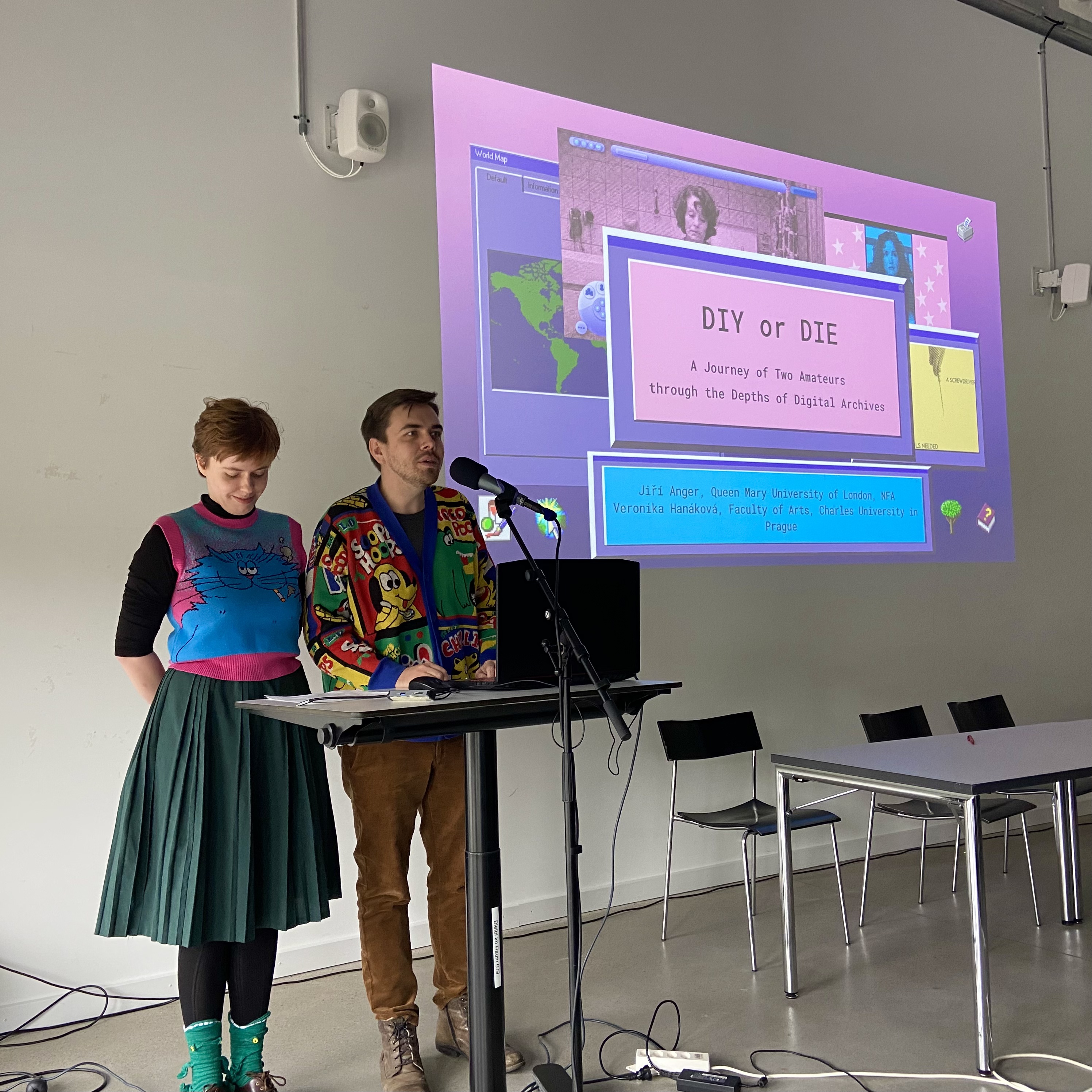
After a curated screening on the first evening, the two days of conference will unfold as a series of presentations of on-going, yet unfinished videographic projects by different makers (researchers, filmmakers, online creators, artists…), exposing the doubts and difficulties they are encountering with its development. Half a day will also be dedicated to the on-site production of a collective, experimental video essay, in which all speakers and audience members will be invited to participate.
Participants of the conference were: Alan O’Leary, Alice Lenay, Ariane Hudelet, Ariel Avissar, Axel Vogelsang, Barbara Zecchi, Chiara Grizzaffi, Chloé Galibert-Laîné, Colleen Laird, Cormac Donnelly, Cydnii Wilde Harris, Dayna McLeod, Evelyn Kreutzer, Jaap Kooijman, Jane Schoenbrun, Jason Mittel, Jeffrey Romero Middents, Jennifer Proctor, Jialu Zhu, Jiří Anger, Johannes Binotto, John Gibbs, Juan Llamas Rodriguez, Kathleen Loock, Kerry Hegarty, Kevin B. Lee, Leigh Singer, Libertad Gills, Lily Ford, Liz Greene, Maria Hofmann, Matthew Payne, Occitane Lacurie, Oswald Iten, Sadia Quraeshi Shepard, Silvia Cipelletti, Susan Harewood, Veronika Hanáková, Vicente Rodriguez, and Will DiGravio.
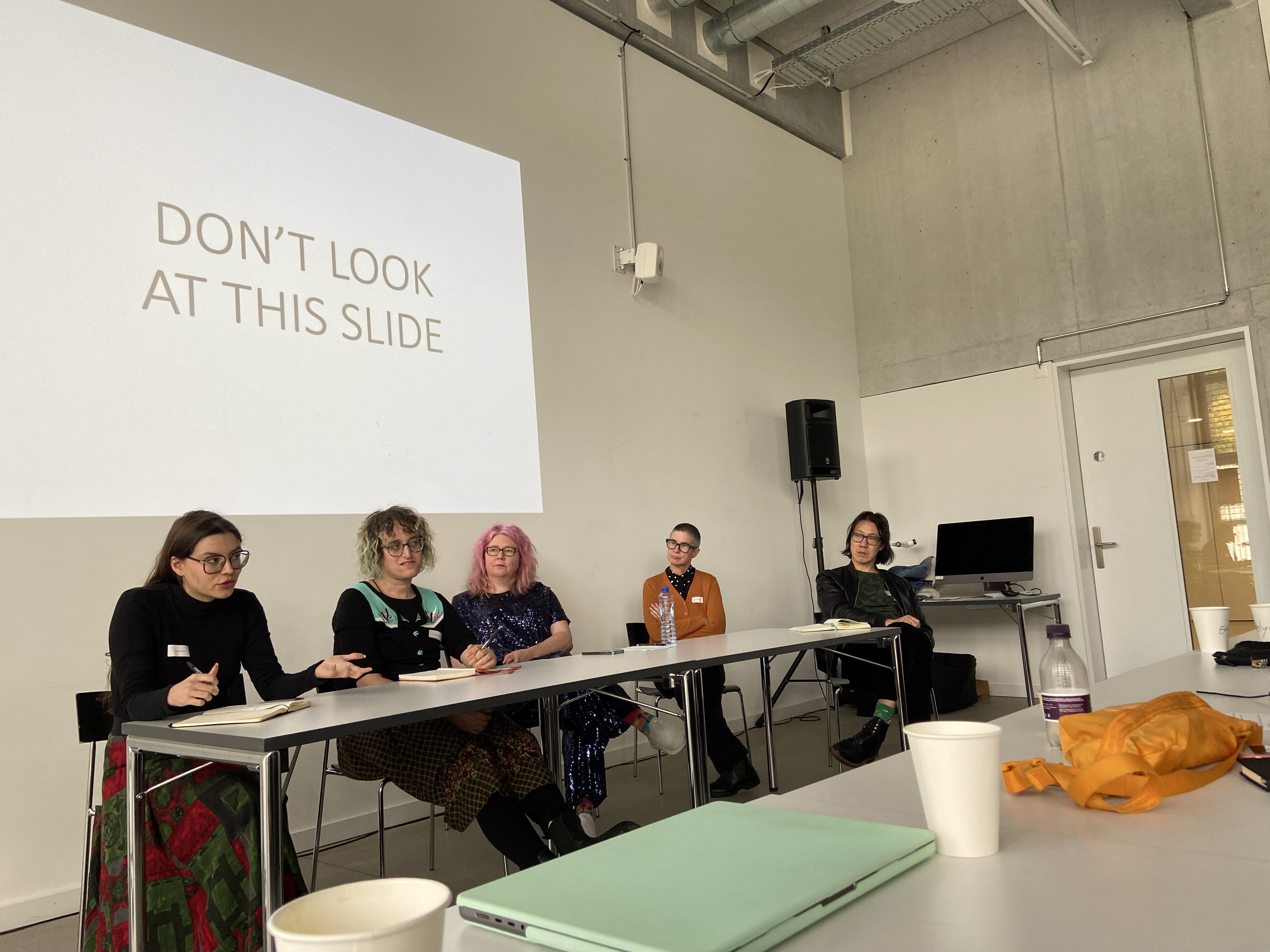
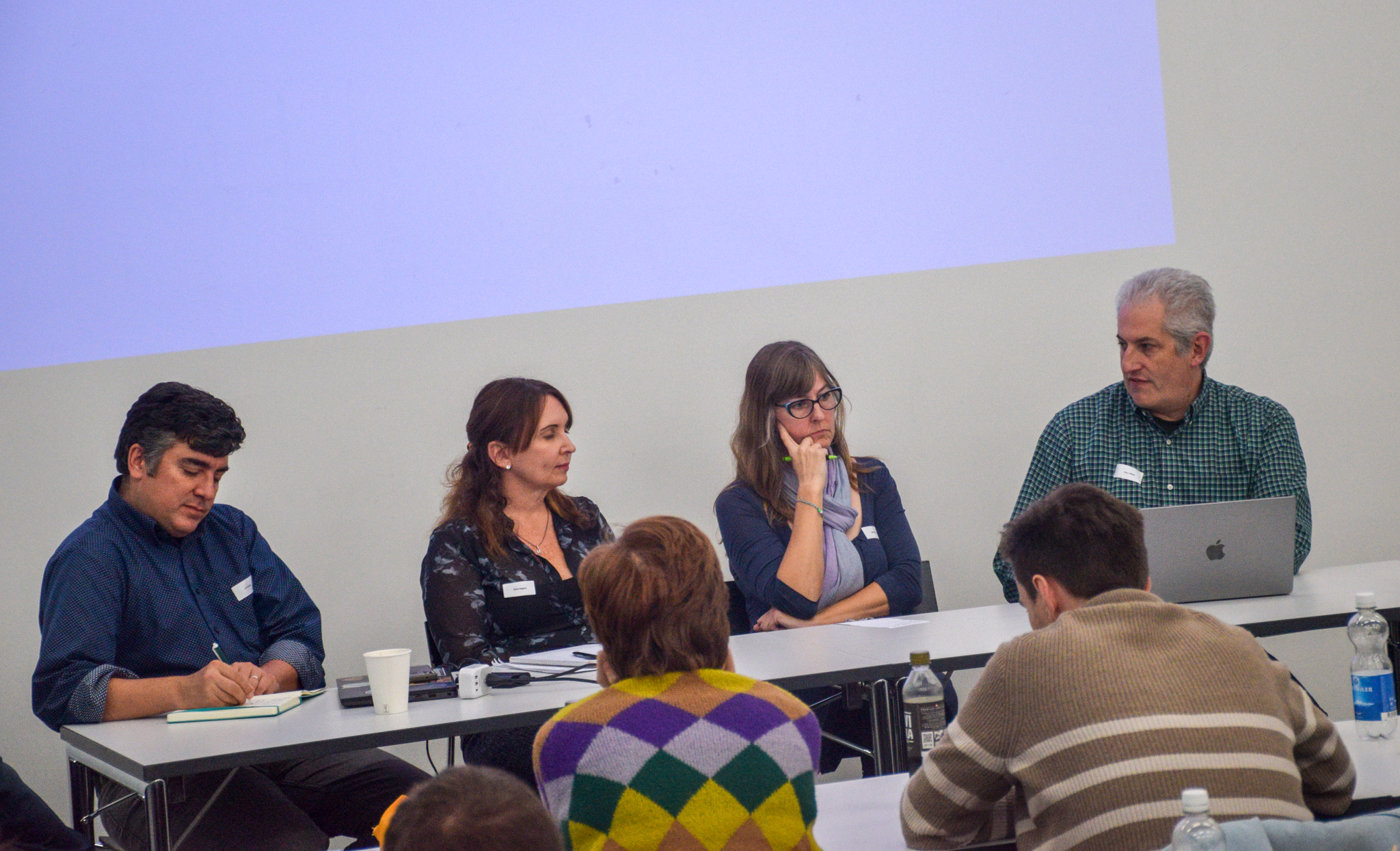
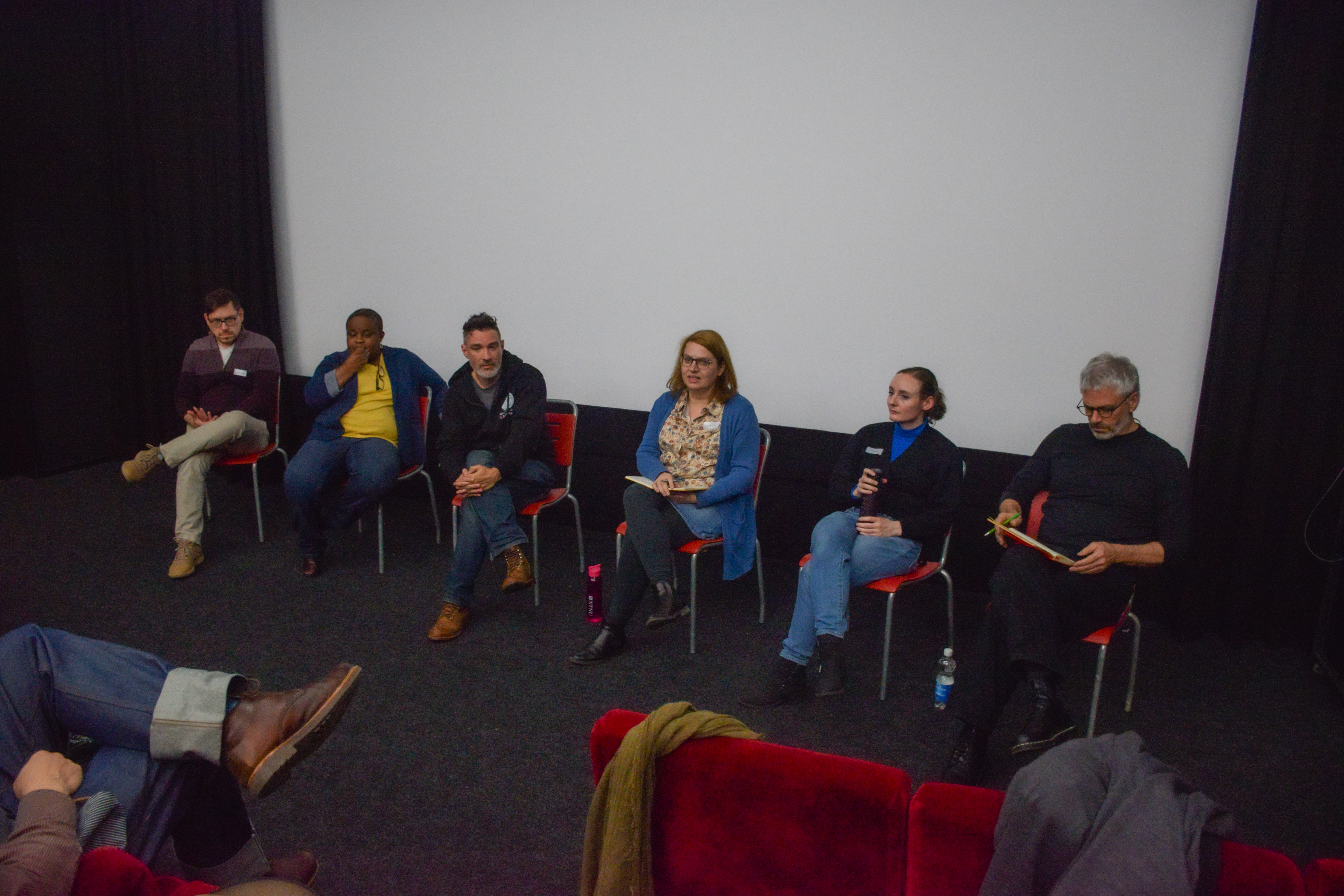
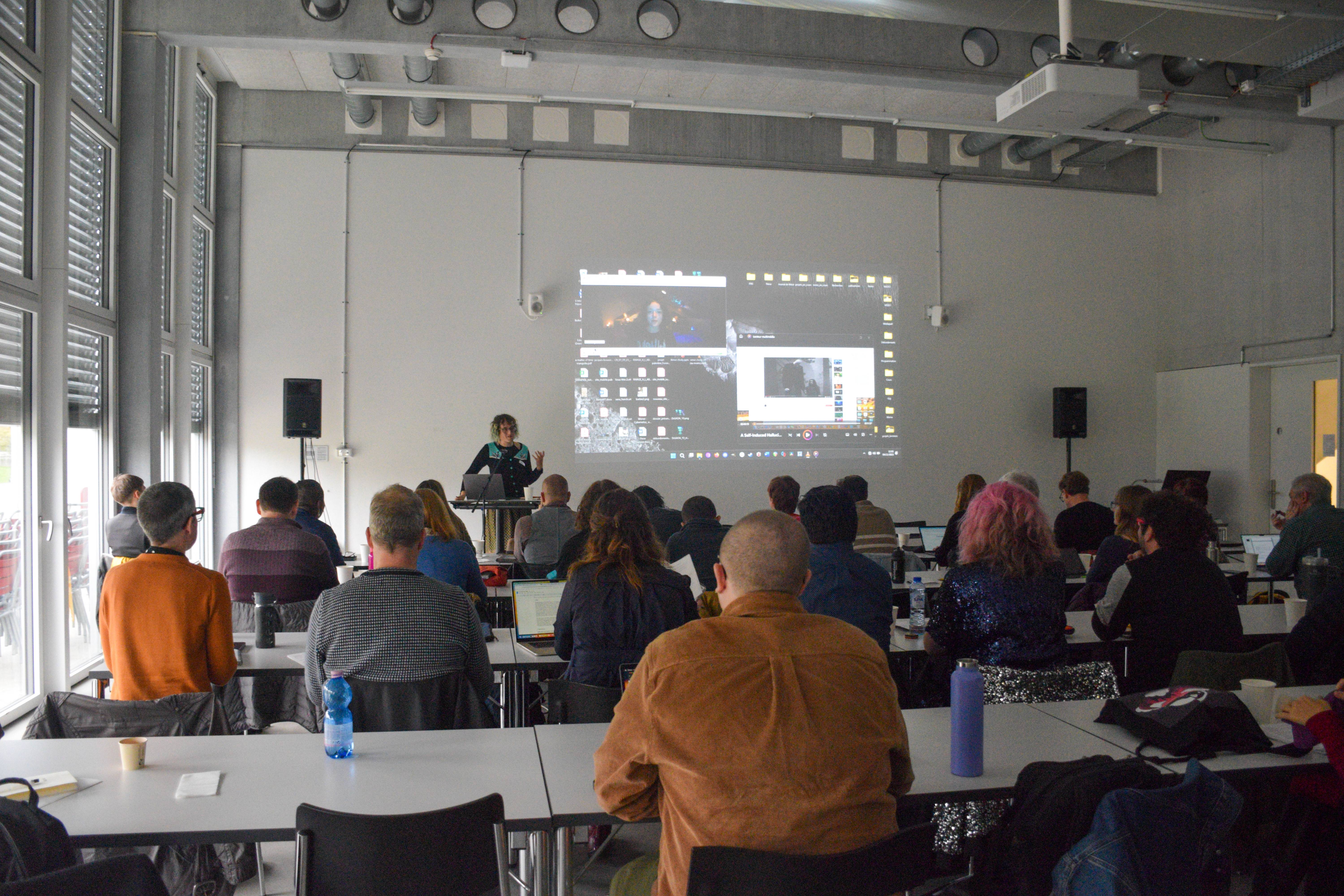
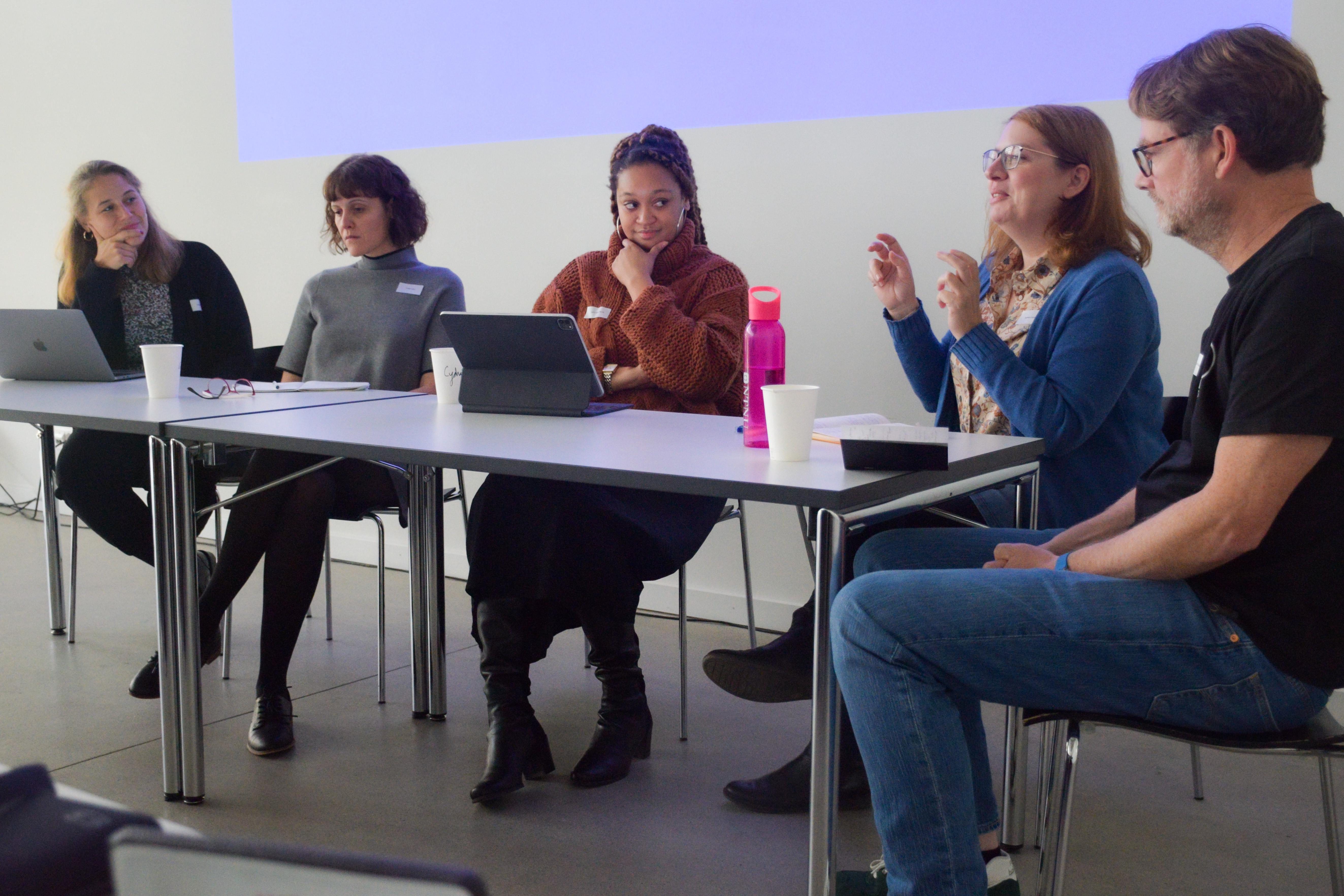
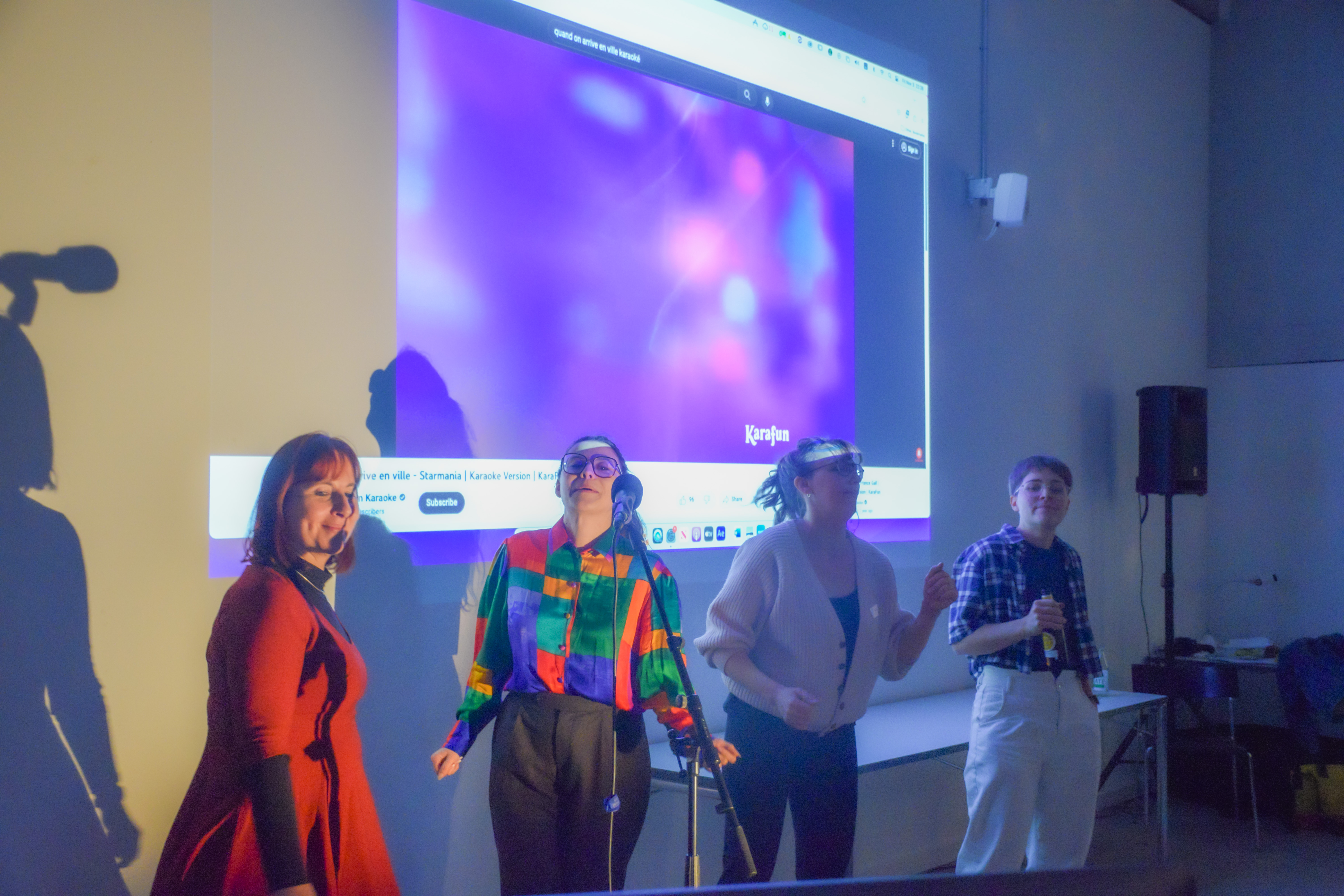
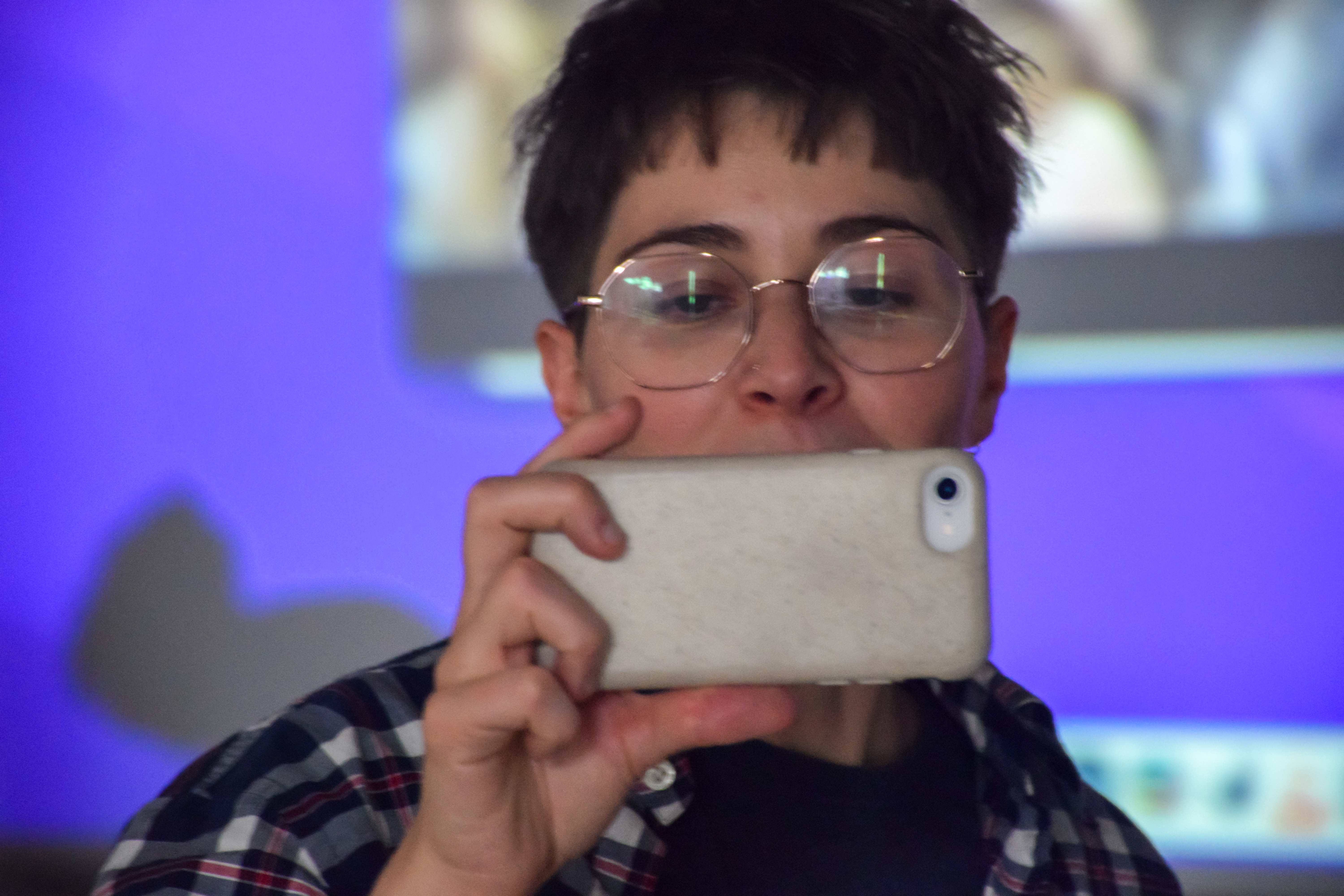
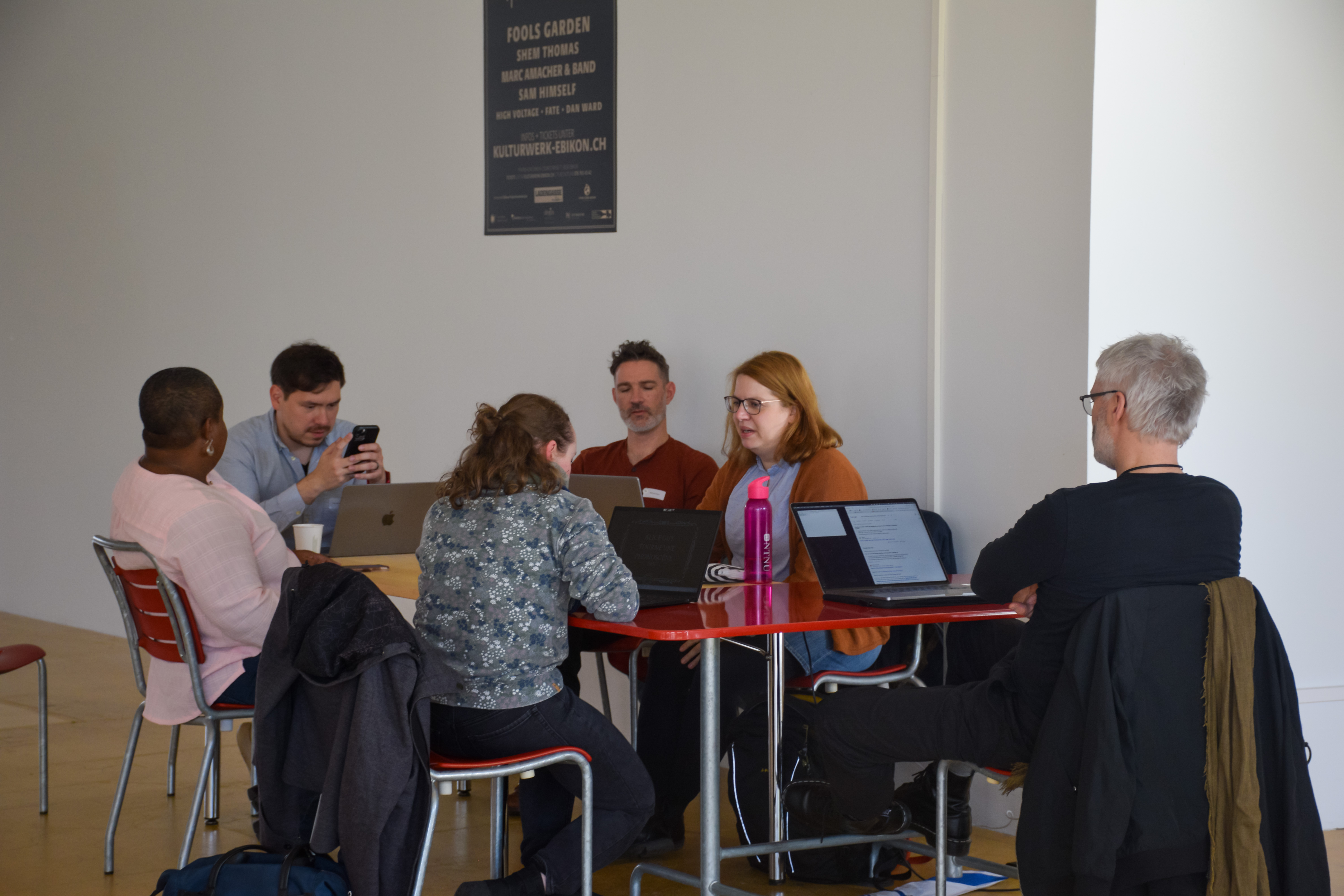
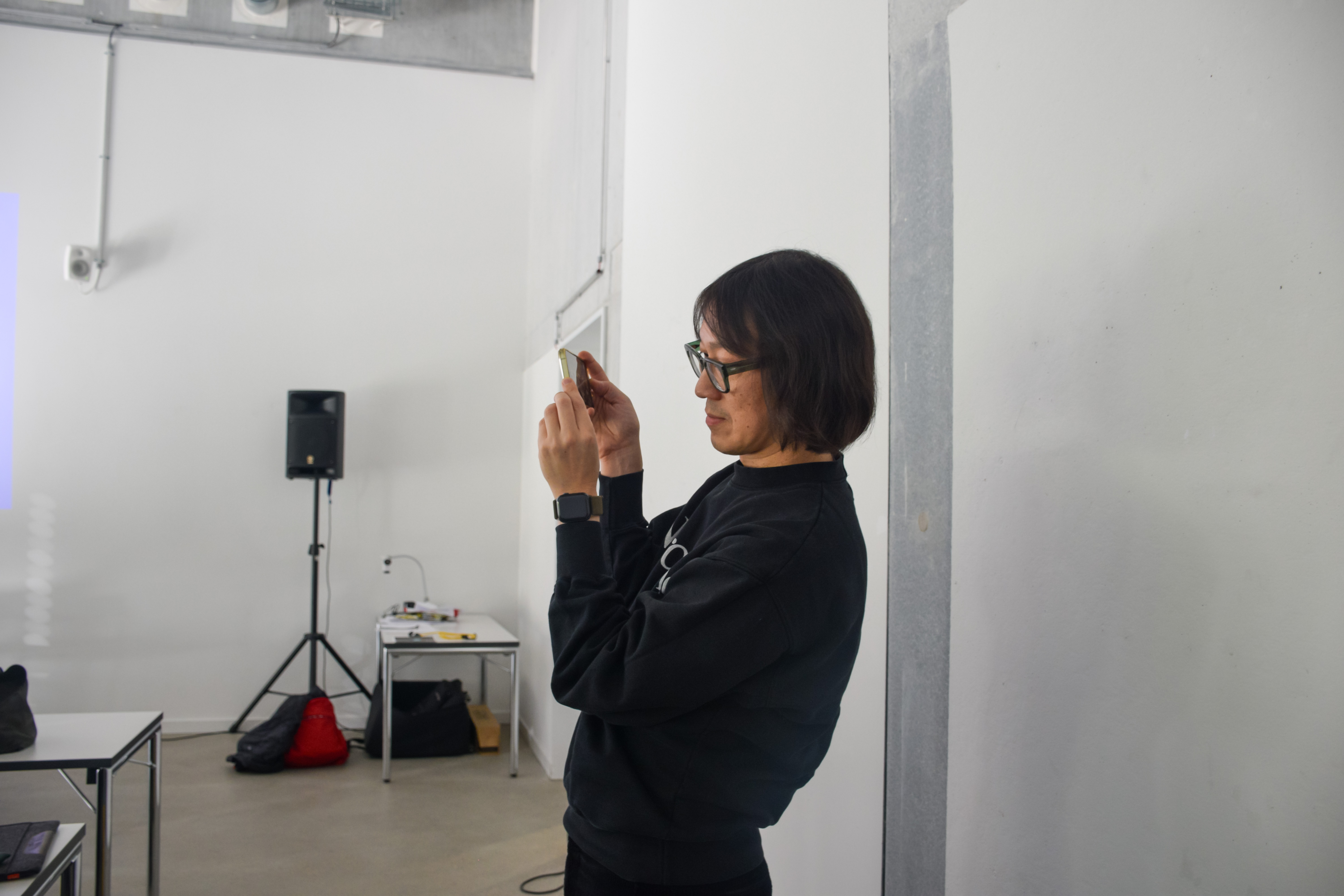
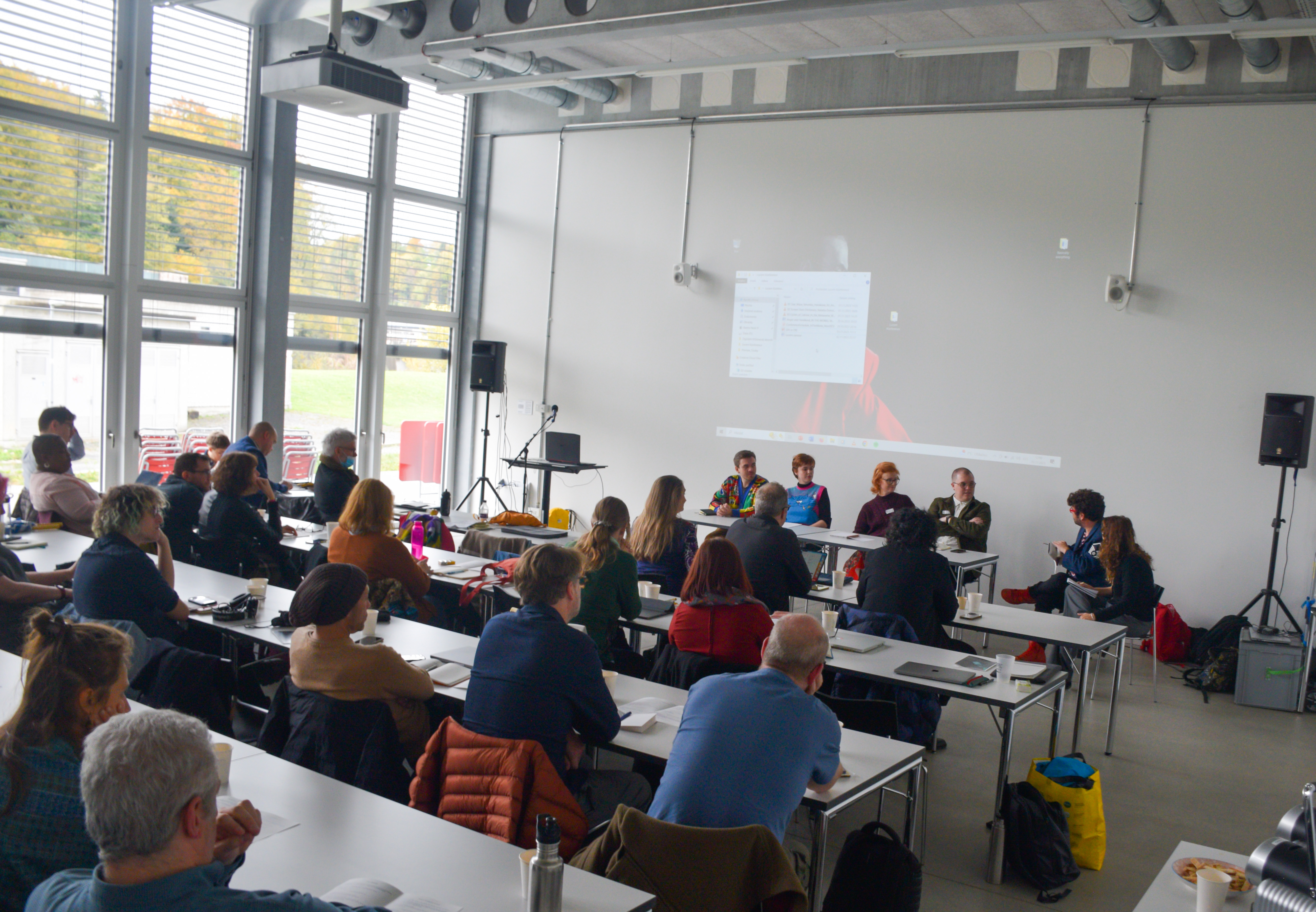
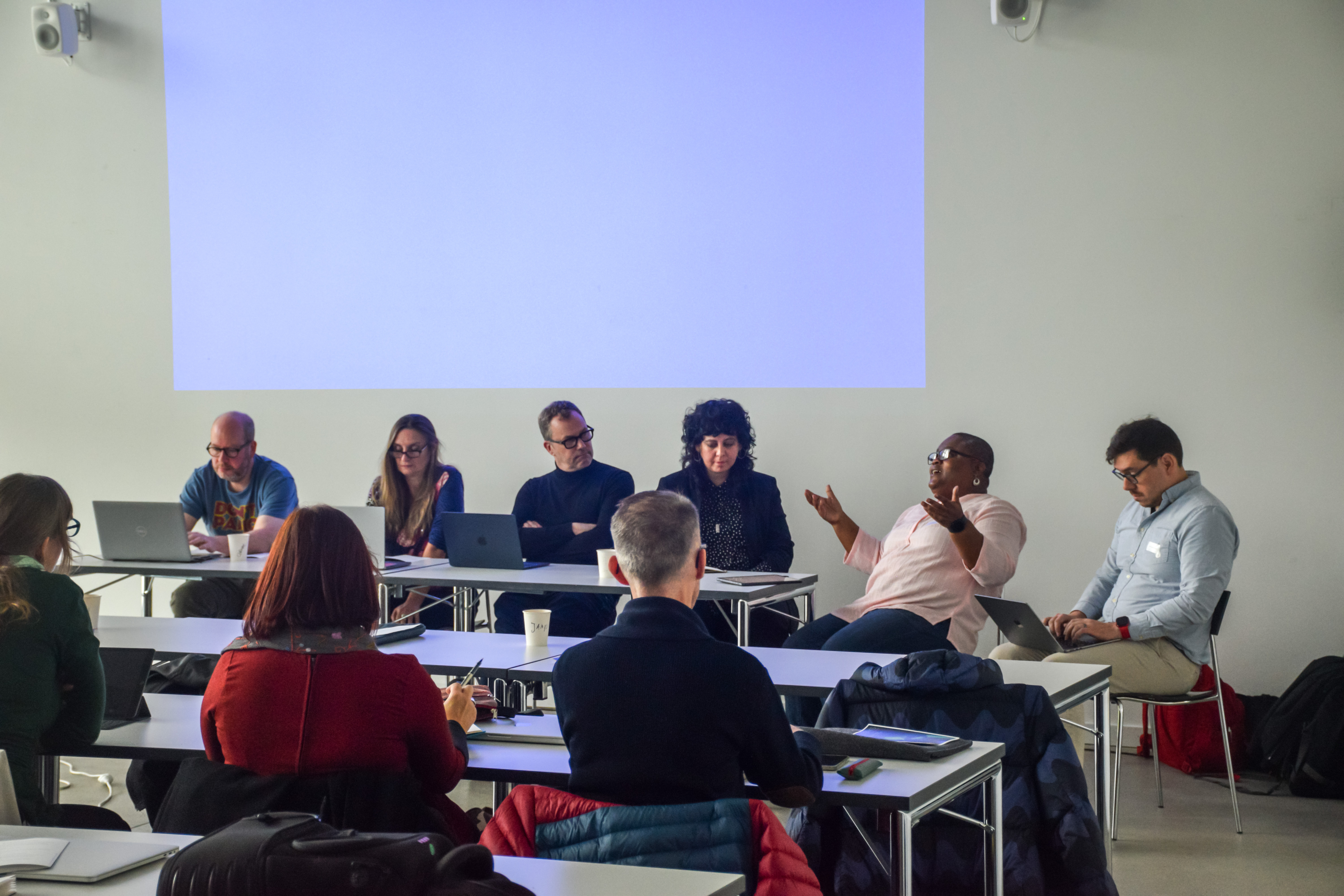
Impressions from the conference:





 Video Essay Research